 Call Us : 08045814792Call Us : 08045814792
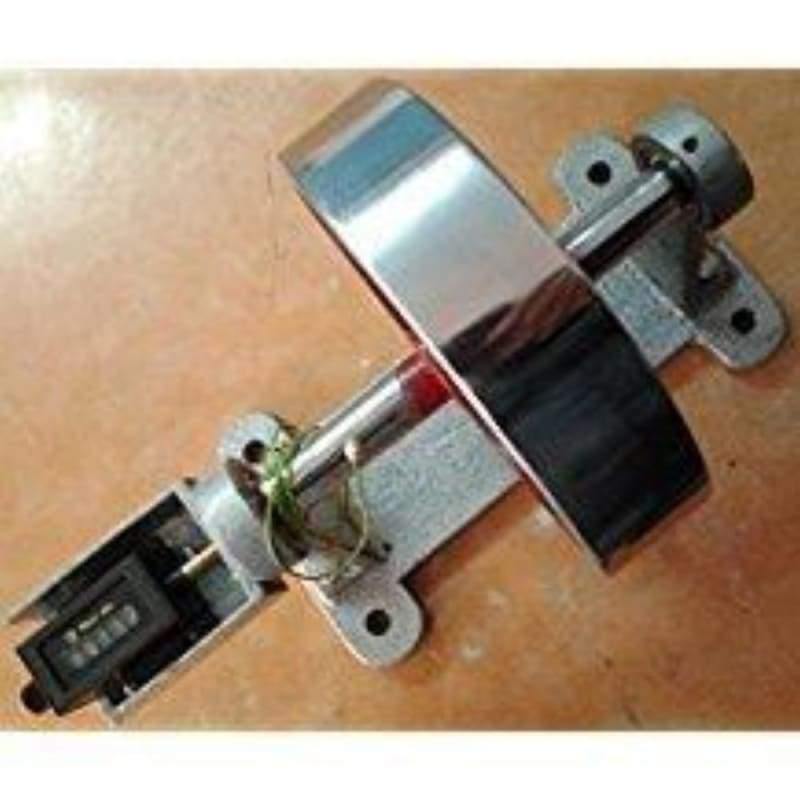
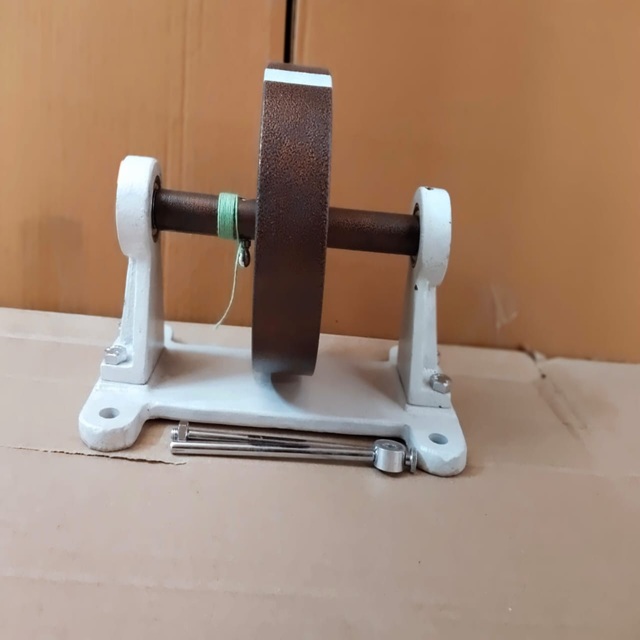
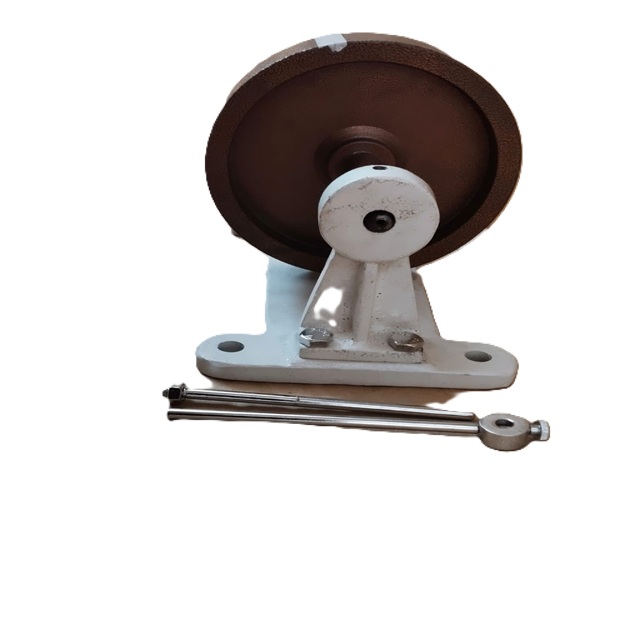
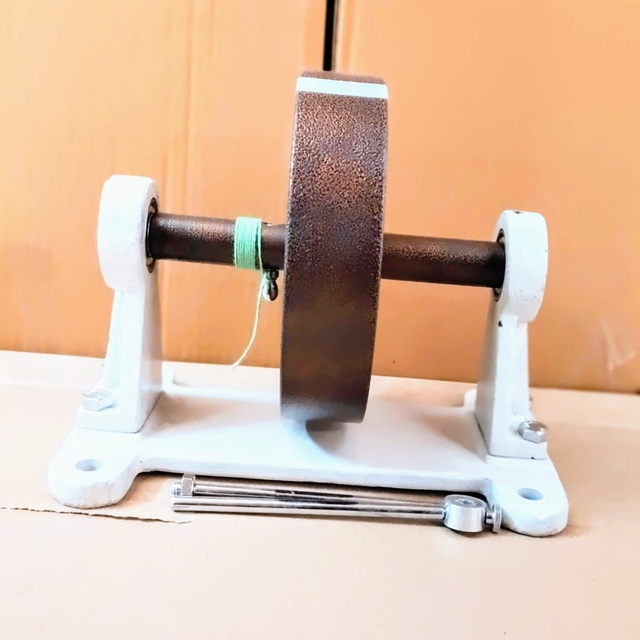
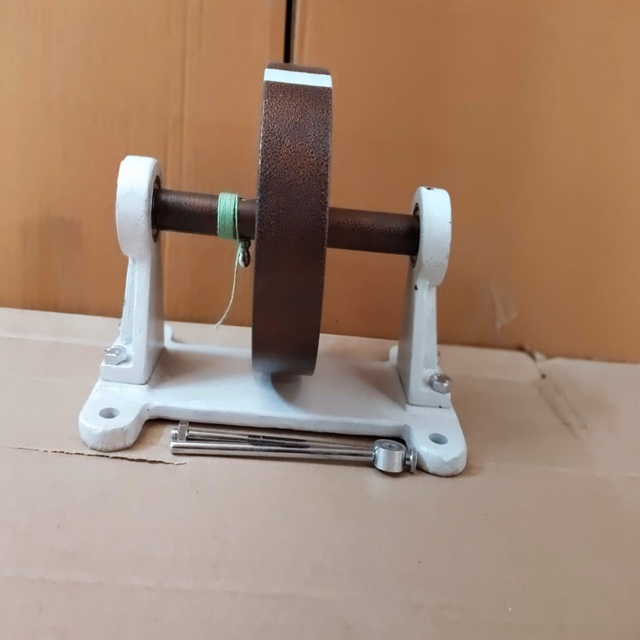
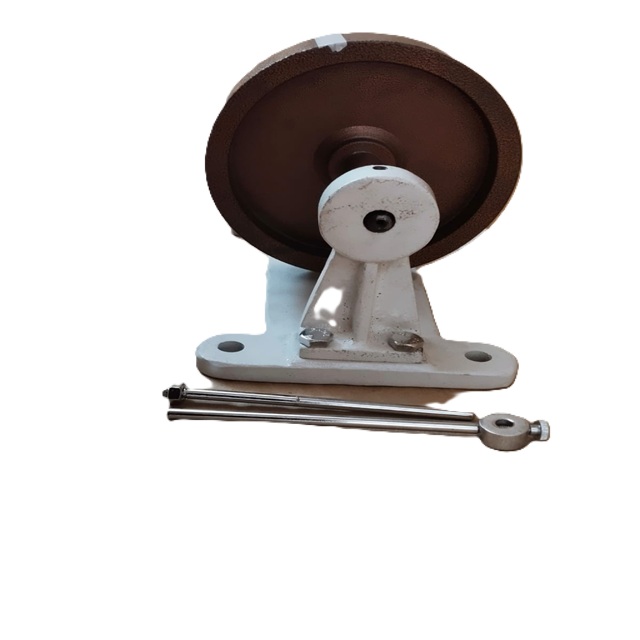
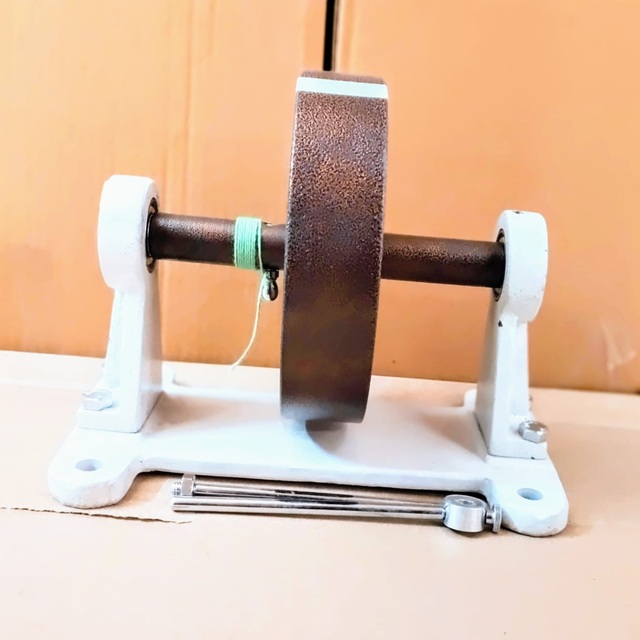
physics fly wheel apparatus
3800.0 INR/Piece
Product Details:
- Voltage / Volt (v)
- Application LAB
- Color WHITE , black
- Material M.S.
- Operate Method MANUAL
- Product Type PHYSICS LAB
- Usage physics lab
- Click to View more
X
physics fly wheel apparatus Price And Quantity
- 3800.0 INR/Piece
- 1 Piece
physics fly wheel apparatus Product Specifications
- WHITE , black
- 8 Inch (in)
- MANUAL
- M.S.
- physics lab
- PHYSICS LAB
- CAST IRON
- / Volt (v)
- physical equipment
- LAB
- MANUAL
physics fly wheel apparatus Trade Information
- DELHI
- Cash Advance (CA), Cash in Advance (CID), Telegraphic Transfer (T/T)
- 200 Piece Per Month
- 2 Days
- Sample costs shipping and taxes has to be paid by the buyer
- BOX
- Western Europe, Asia, Australia, Central America, North America, Eastern Europe, Middle East, Africa, South America
- North India, Andhra Pradesh, Bihar, Chandigarh, Daman and Diu, Goa, Jharkhand, Odisha, Punjab, Assam, Delhi, Dadra and Nagar Haveli, Arunachal Pradesh, Chhattisgarh, Haryana, Himachal Pradesh, Jammu and Kashmir, Madhya Pradesh, Maharashtra, Rajasthan, All India, East India, Gujarat, Tamil Nadu, Telangana, South India, Central India, West India, Karnataka, Kerala, Meghalaya, Manipur, Tripura, Pondicherry, Uttar Pradesh, Uttarakhand, West Bengal
- ISO
Product Description
The Physics Flywheel Apparatus is a precision-engineered instrument designed for demonstrating the principles of rotational motion, angular momentum, and moment of inertia in physics laboratories. Ideal for educational and experimental purposes, it provides hands-on experience in studying the dynamics of rotating bodies.
Key Features:
Flywheel Diameter: 8 inches, suitable for classroom and laboratory experiments.
Material: High-quality, durable metal construction with a polished finish to ensure smooth rotation and long-lasting use.
Adjustable Axle: Smooth, low-friction axle mounted on ball bearings to reduce resistance and allow accurate measurement.
Rotational Studies: Ideal for experiments involving torque, angular acceleration, and kinetic energy.
Calibration: Precisely balanced to minimize wobble and ensure uniform motion.
Base: Sturdy, powder-coated base for stability during experiments.
Additional Components: May include a pulley system for attaching weights, a clamp, and measurement scales for angular velocity or displacement.
Applications:
Demonstrating the conservation of angular momentum.
Studying rotational kinetic energy.
Understanding moment of inertia and torque relationships.
Laboratory experiments in undergraduate and high school physics courses.
Dimensions & Weight:
Flywheel Diameter: 8 inches (approx. 20 cm)
Base Size: Compact, stable design suitable for tabletop experiments
Approximate Weight: Medium-weight for safe handling and smooth rotation
Key Features:
Flywheel Diameter: 8 inches, suitable for classroom and laboratory experiments.
Material: High-quality, durable metal construction with a polished finish to ensure smooth rotation and long-lasting use.
Adjustable Axle: Smooth, low-friction axle mounted on ball bearings to reduce resistance and allow accurate measurement.
Rotational Studies: Ideal for experiments involving torque, angular acceleration, and kinetic energy.
Calibration: Precisely balanced to minimize wobble and ensure uniform motion.
Base: Sturdy, powder-coated base for stability during experiments.
Additional Components: May include a pulley system for attaching weights, a clamp, and measurement scales for angular velocity or displacement.
Applications:
Demonstrating the conservation of angular momentum.
Studying rotational kinetic energy.
Understanding moment of inertia and torque relationships.
Laboratory experiments in undergraduate and high school physics courses.
Dimensions & Weight:
Flywheel Diameter: 8 inches (approx. 20 cm)
Base Size: Compact, stable design suitable for tabletop experiments
Approximate Weight: Medium-weight for safe handling and smooth rotation
Reliable Design for Educational Use
Constructed with high-quality cast iron and mild steel, the fly wheel apparatus ensures stability and longevity. Its manual operation method is tailored for straightforward classroom demonstrations, making it an essential tool for effectively teaching rotational dynamics in physics laboratories.
Versatile Availability Across India
As a product supplied, traded, and exported by multiple providersincluding manufacturers, service providers, and wholesalersthis physics apparatus is readily accessible throughout India. Institutions can rely on a wide dealer network for prompt delivery and support.
FAQs of physics fly wheel apparatus:
Q: How is the physics fly wheel apparatus used in physics labs?
A: The fly wheel apparatus is used manually to demonstrate principles of rotational motion, including angular momentum and moment of inertia. Students and instructors set it up on a flat surface and operate it to observe rotational behaviors during experiments.Q: What materials are used in the construction of the fly wheel apparatus?
A: The apparatus is manufactured using cast iron and mild steel (M.S.), ensuring durability and reliable performance even with frequent use in educational environments.Q: When should this apparatus be implemented in the curriculum?
A: This equipment is best utilized during lessons covering rotational mechanics, usually in high school or undergraduate physics laboratories. Its particularly beneficial during hands-on experimental sessions that reinforce theoretical concepts.Q: Where can the fly wheel apparatus be sourced in India?
A: Educational institutions can purchase the fly wheel apparatus from authorized dealers, distributors, exporters, manufacturers, and wholesalers across India, ensuring easy procurement and after-sales support.Q: What is the process for operating the fly wheel apparatus?
A: The operation is fully manual. Users set up the apparatus with the flywheel secured, then rotate it by hand or using an attached pulley. Observations are made through the manual display, allowing students to measure and record data as required.Q: What are the usage benefits of having this apparatus in a physics lab?
A: Having the physics fly wheel apparatus allows students to directly observe and engage with key physics phenomena, enhancing comprehension through experiential learning. Its robust design ensures performance over extended periods, supporting repeat usage in educational settings.Tell us about your requirement

Price:
Quantity
Select Unit
- 50
- 100
- 200
- 250
- 500
- 1000+
Additional detail
Mobile number
Email


Address
MAYALAB INSTRUMENT
GST : 06EKTPK9532G1ZM
GST : 06EKTPK9532G1ZM
- House No - 108, Milap Nagar, Vill Nanhera Post Office, Kuldeep Nagar,Ambala Cantt - 133004, Haryana, India
- Phone :08045814792
- Send Inquiry
 Send Inquiry
 Send Inquiry
 Send SMS
 |
MAYALAB INSTRUMENT
All Rights Reserved.(Terms of Use) Developed and Managed by Infocom Network Private Limited. |
