 Call Us : 08045814792Call Us : 08045814792
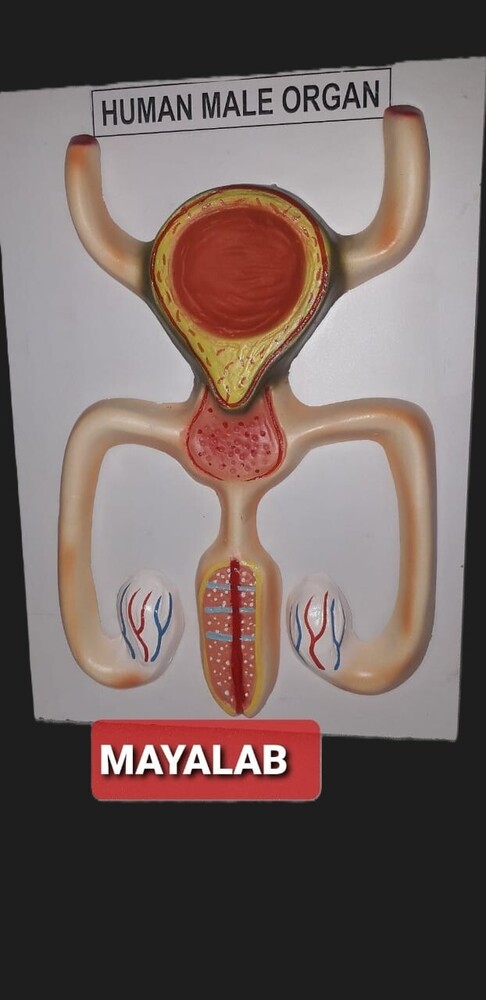
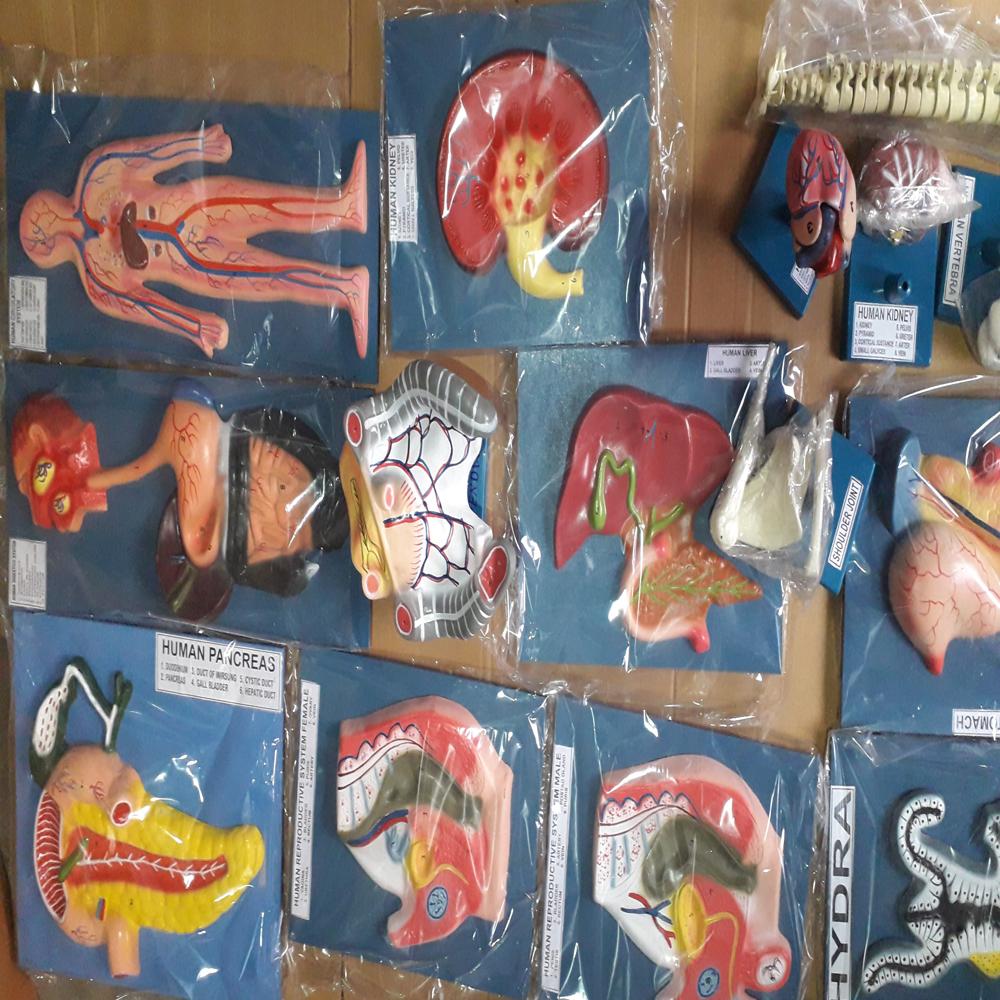
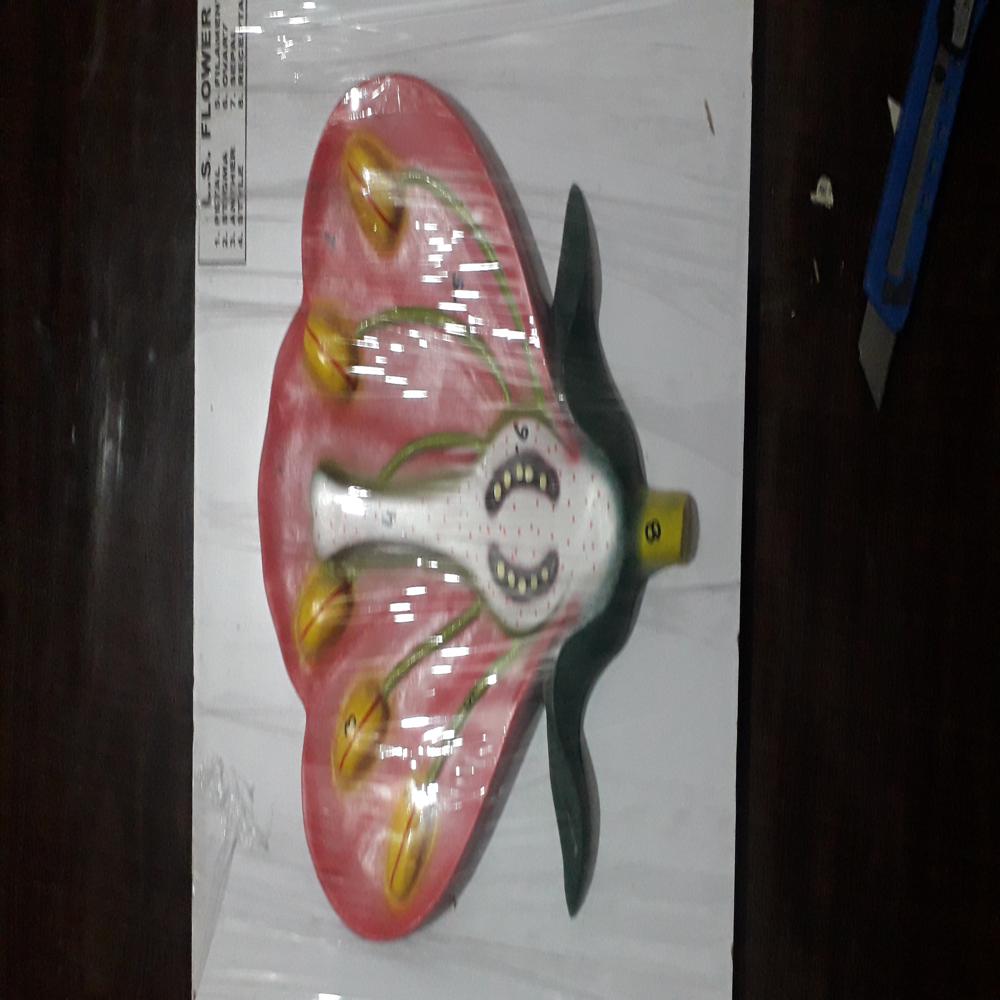
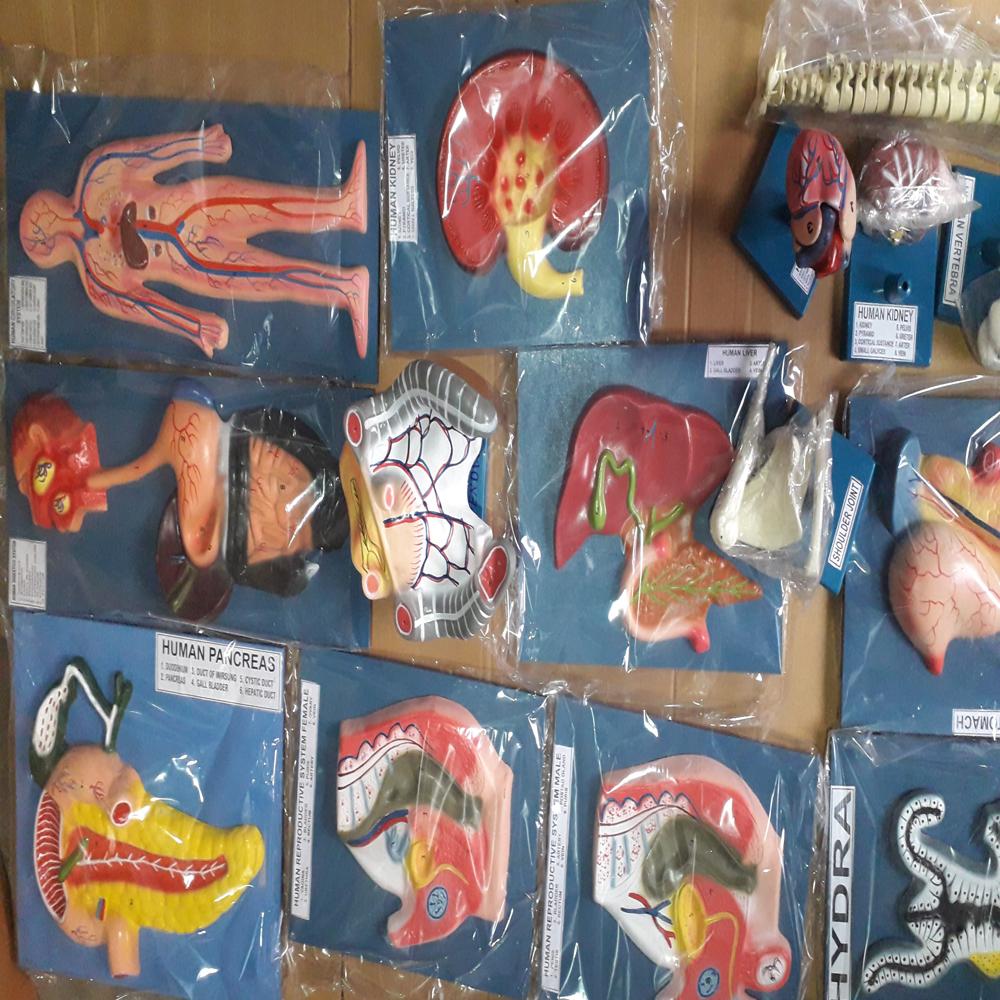
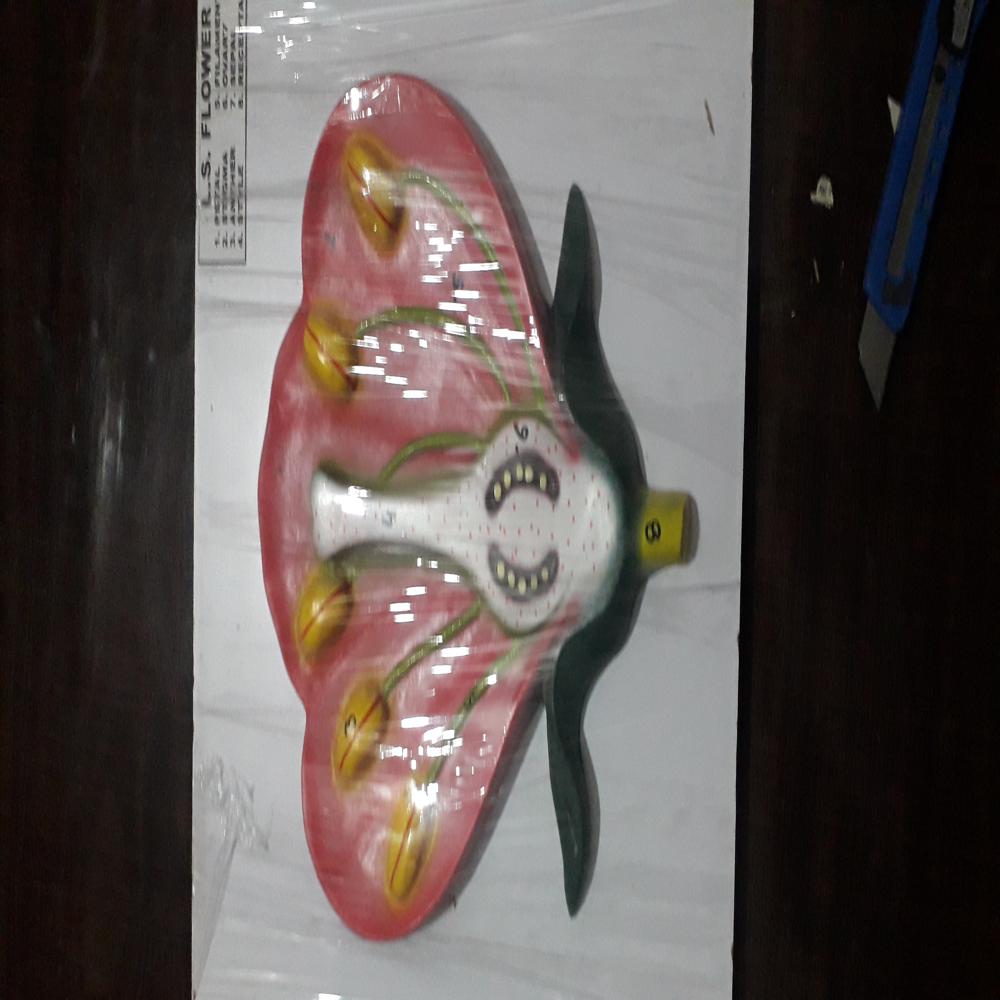
human organ model
650.0 INR/Piece
Product Details:
- Color mix
- Classification B
- Operate Method MANUAL
- Weight 1 Kilograms (kg)
- Material FIBERGLASS
- Usage teaching
- Application LAB TECH
- Click to View more
X
human organ model Price And Quantity
- 1 Piece
- 650.0 INR/Piece
human organ model Product Specifications
- 3d model
- MANUAL
- mix
- B
- MANUAL
- teaching
- FIBERGLASS
- 1 Kilograms (kg)
- 1000 Pcs/hr
- fiberglass
- LAB TECH
- antomical model
human organ model Trade Information
- DELHI
- Cash Advance (CA), Cash in Advance (CID), Telegraphic Transfer (T/T)
- 500 Piece Per Month
- 2 Days
- Sample costs shipping and taxes has to be paid by the buyer
- box
- Asia, Africa, Australia, Central America, North America, South America, Eastern Europe, Western Europe, Middle East
- West India, North India, Andhra Pradesh, Punjab, Assam, East India, Odisha, Dadra and Nagar Haveli, All India, South India, Central India, Gujarat, Kerala, Arunachal Pradesh, Jharkhand, Telangana, Karnataka, Bihar, Chandigarh, Daman and Diu, Goa, Delhi, Chhattisgarh, Haryana, Himachal Pradesh, Madhya Pradesh, Maharashtra, Nagaland, Rajasthan, Sikkim, Tamil Nadu, Tripura, Pondicherry, Uttar Pradesh, Uttarakhand, West Bengal
Product Description
organs model in the human body are the brain, heart, lungs, kidneys, and liver. Other organs include the gallbladder, pancreas, and stomach. Organ systems, such as the nervous system, support these organs.Detailed Manual 3D Organ Model
Designed with manual operation, this 3D human organ model provides tactile, hands-on experience for learners. The fiberglass construction ensures lasting durability while the realistic colors help distinguish different organs. It supports interactive lessons and demonstrations in classrooms, workshops, or training sessions.
Versatile Applications in Medical Education
This organ model suits diverse medical teaching needsideal for lectures, demonstrations, and anatomy labs. Its precision and portability (just 1 kg) allow educators and students to study organ placement, structure, and relationships, enhancing understanding and retention in anatomy courses.
FAQs of human organ model:
Q: How is this human organ model used in medical teaching settings?
A: Educators and students use the model for hands-on study and demonstration of human anatomy, enabling clear understanding of organ structure, location, and function. Its manual operation allows for interactive lessons in classrooms and training labs.Q: What materials are utilized in constructing the organ model?
A: The model is made from durable fiberglass, which provides strength, longevity, and a detailed surface for realistic anatomical representation.Q: When is this 3D organ model most beneficial during the learning process?
A: It is especially valuable during anatomy lectures, lab practicums, and interactive teaching sessions where visual and tactile aids enhance comprehension of complex organ systems.Q: Where can this human organ model be sourced in India?
A: It is available through multiple channels, including dealers, distributors, exporters, manufacturers, producers, service providers, suppliers, traders, and wholesalers across India, ensuring easy procurement for educational institutions.Q: What is the process for using this model in a classroom?
A: Simply place the model on display and manually operate it during lessons to demonstrate organs and anatomical relationships. Instructors can encourage students to interact with the model for a more immersive learning experience.Q: What are the key benefits of a fiberglass manual organ model for teaching?
A: Its lightweight construction, realistic color mix, and manual operation offer durability and a hands-on experience, leading to better engagement and anatomical understanding among students.Tell us about your requirement

Price:
Quantity
Select Unit
- 50
- 100
- 200
- 250
- 500
- 1000+
Additional detail
Mobile number
Email


Address
MAYALAB INSTRUMENT
GST : 06EKTPK9532G1ZM
GST : 06EKTPK9532G1ZM
- House No - 108, Milap Nagar, Vill Nanhera Post Office, Kuldeep Nagar,Ambala Cantt - 133004, Haryana, India
- Phone :08045814792
- Send Inquiry
 Send Inquiry
 Send Inquiry
 Send SMS
 |
MAYALAB INSTRUMENT
All Rights Reserved.(Terms of Use) Developed and Managed by Infocom Network Private Limited. |
