 Call Us : 08045814792Call Us : 08045814792
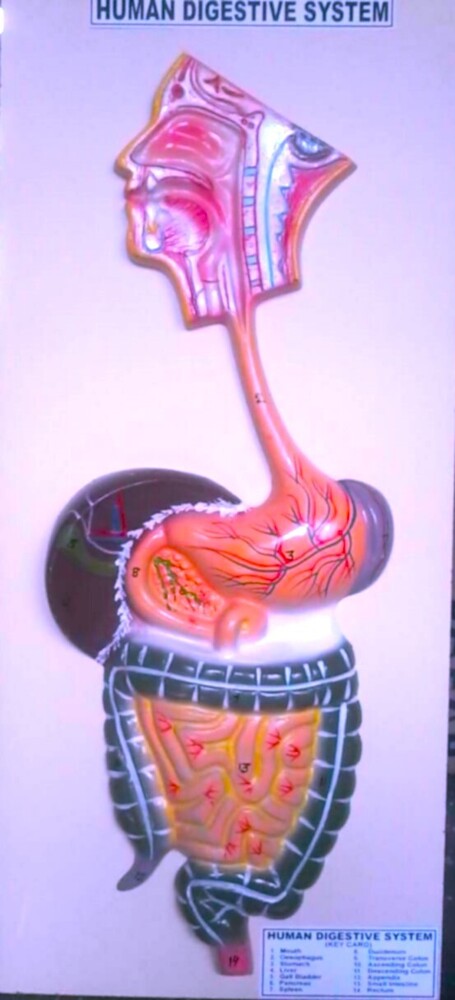
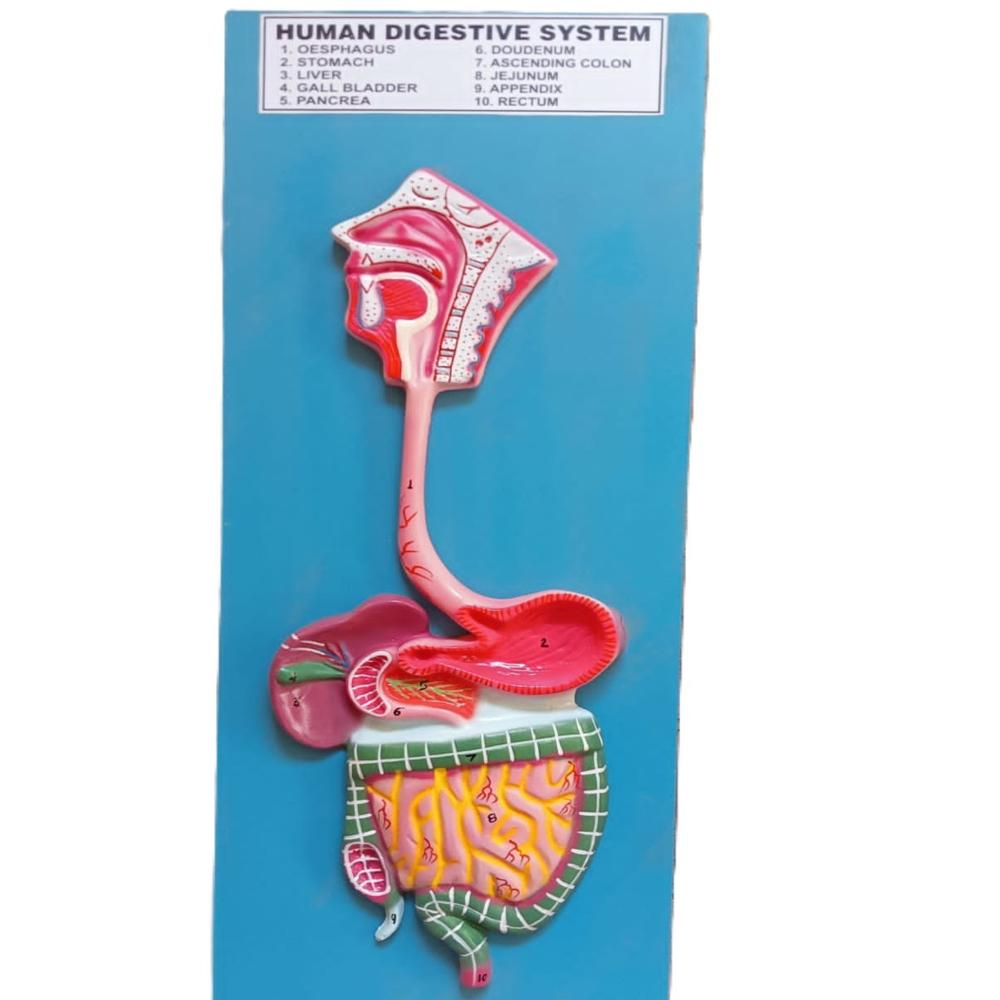
human digestive model
850.0 INR/Piece
Product Details:
- Product Type antomical model
- Color mix
- Model No HDM-10559903
- Automation Grade Manual
- Core Components Stomach, Esophagus, Small Intestine, Large Intestine, Liver, Pancreas
- Feature Life Size, Removable Parts
- Equipment Materials fiber glass
- Click to View more
X
human digestive model Price And Quantity
- 5 Piece
- 850.0 INR/Piece
human digestive model Product Specifications
- Manual
- antomical model
- HDM-10559903
- mix
- fiber glass
- medical
- Approximately 1.5 kg Kilograms (kg)
- manual
- Anatomical Model
- Stomach, Esophagus, Small Intestine, Large Intestine, Liver, Pancreas
- Approx. 45x25x5 cm Centimeter (cm)
- Life Size, Removable Parts
- All Ages
- Carton Box
- No
- On Stand
- Educational Training, Clinical Demonstration
- Smooth Surface
human digestive model Trade Information
- DELHI
- Cash Advance (CA), Cash in Advance (CID), Telegraphic Transfer (T/T)
- 500 Piece Per Month
- 2 Days
- No
- Sample costs shipping and taxes has to be paid by the buyer
- box
- Australia, North America, Eastern Europe, Asia, Central America, South America, Western Europe, Middle East, Africa
- All India
- iso
Product Description
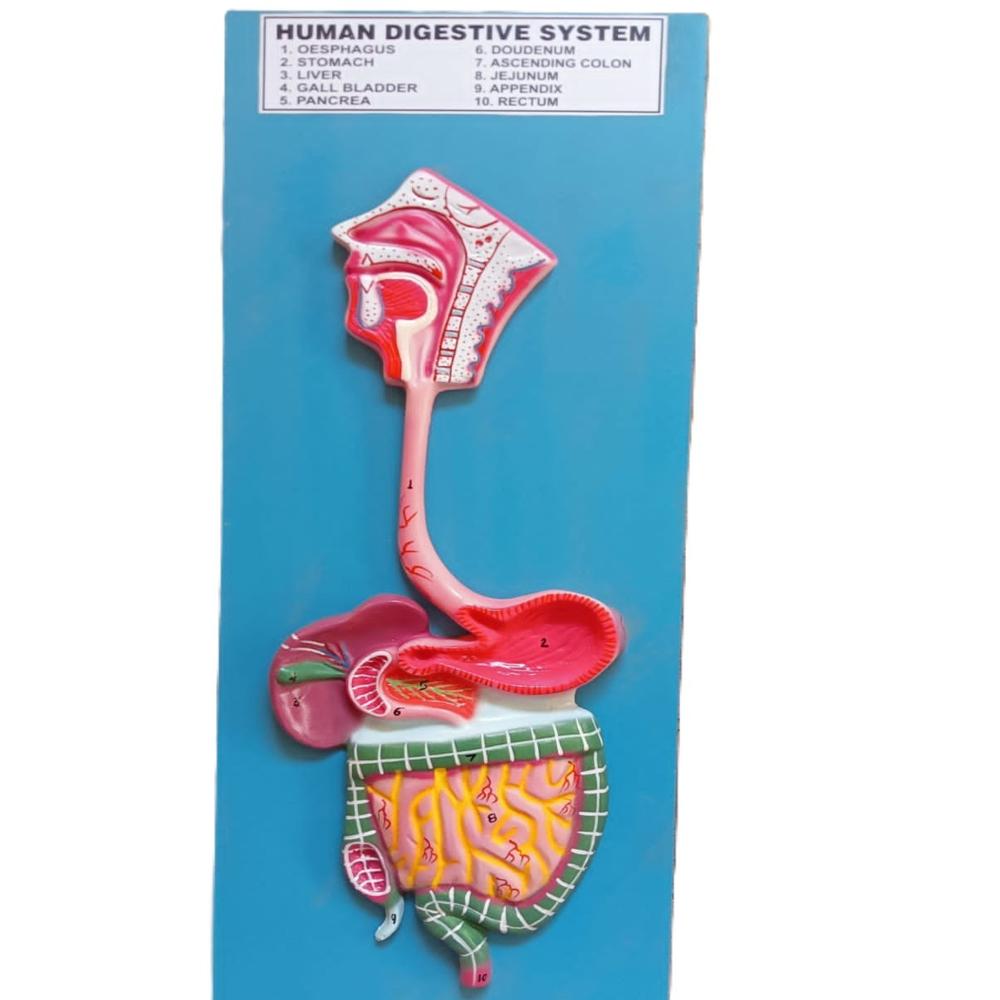
The Human digestive system is a series of hollow organs joined in a long ,twisting tube from the mouth, toanus.the hollow organs that make up the GI tract are the mouth ,esophagus,stomach ,small intestinge,large intesting ,and anus.the liver,pancreas and gallbladder are the solid organs of the digestive system ,size:- 75*30 cm .Detailed and Interactive Educational Model
This life-size anatomical model provides a comprehensive representation of the human digestive system, showcasing detailed anatomical features for enhanced understanding. The model includes removable parts, such as the stomach and intestines, to facilitate hands-on exploration during demonstrations and lessons. Thanks to its smooth finish and accurate details, it is an invaluable resource for both classroom and clinical settings.
Durable Construction and Easy Display
Manufactured using high-quality fiberglass, the digestive model is both robust and lightweight, weighing approximately 1.5 kg. Its smooth surface ensures easy cleaning and handling, while the stand-mounted design allows convenient and secure display in various environments. In addition, the model comes fully assembled, minimizing setup time and effort for educators and trainers.
FAQs of human digestive model:
Q: How is the human digestive model used in educational and clinical settings?
A: This model is employed to explain the structure and function of the digestive system during medical training, health education, and clinical demonstrations. Students and trainees can observe and interact with life-size anatomical features, making concepts clearer and training more effective.Q: What parts of the digestive system are included and are they removable?
A: The model features core components such as the stomach, esophagus, small and large intestines, liver, and pancreas. Several parts are removable, which enables detailed examination and deeper learning during demonstration.Q: When is this anatomical model most beneficial for teaching?
A: This model is particularly useful during anatomy lessons, patient education sessions, and clinical skill demonstrations, helping students and professionals visualize complex structures and processes effectively.Q: Where can the human digestive model be displayed or used?
A: Its sturdy stand and compact dimensions (approximately 45x25x5 cm) make it suitable for use on desks, demonstration tables, or classroom podiums in schools, colleges, clinics, and hospitals.Q: What is the process of caring for and maintaining the model?
A: The smooth fiberglass surface makes cleaning straightforwardsimply wipe with a damp cloth to remove dust or smudges. As no assembly is required and the model ships in a protective carton box, it remains intact and maintenance is minimal.Q: How does using this model benefit both instructors and learners?
A: The model provides a tangible, interactive teaching aid that simplifies complex anatomical concepts, fosters active learning, and supports clearer communication, enhancing both teaching effectiveness and learner retention.Q: What distinguishes this model from other anatomical models?
A: Its life-size scale, detailed anatomical accuracy, removable parts, and durable fiberglass construction ensure a realistic and long-lasting educational resource, ideal for varied medical and teaching applications.Tell us about your requirement

Price:
Quantity
Select Unit
- 50
- 100
- 200
- 250
- 500
- 1000+
Additional detail
Mobile number
Email


Address
MAYALAB INSTRUMENT
GST : 06EKTPK9532G1ZM
GST : 06EKTPK9532G1ZM
- House No - 108, Milap Nagar, Vill Nanhera Post Office, Kuldeep Nagar,Ambala Cantt - 133004, Haryana, India
- Phone :08045814792
- Send Inquiry
 Send Inquiry
 Send Inquiry
 Send SMS
 Call Me Free
 |
MAYALAB INSTRUMENT
All Rights Reserved.(Terms of Use) Developed and Managed by Infocom Network Private Limited. |
