 Call Us : 08045814792Call Us : 08045814792

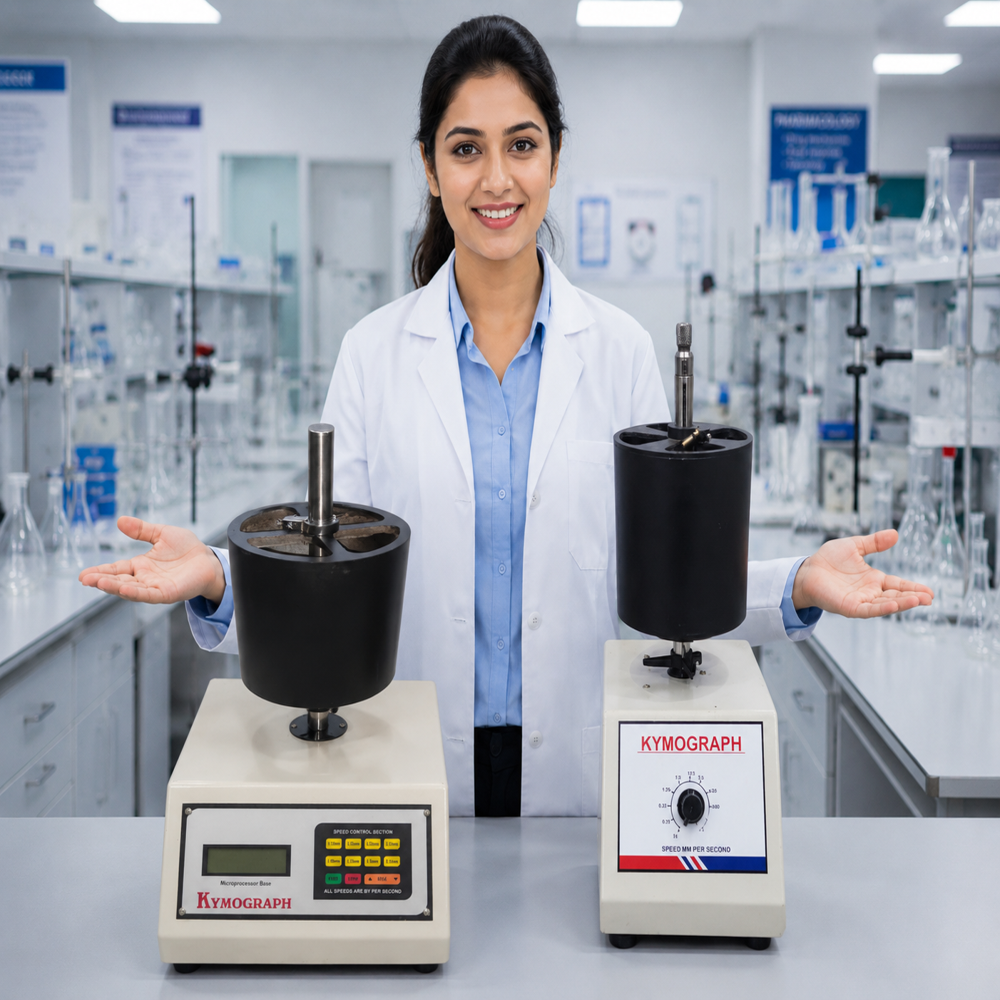
Sherrington Rotating Drum
5500.00 INR/Piece
Product Details:
- Suitable For lab
- Phase 1
- Use LAB
- Wall Mounted na
- Size standred
- Product Type PHARMA
- Weight 5 Kilograms (kg)
- Click to View more
X
Sherrington Rotating Drum Price And Quantity
- 1 Piece
- 5500.00 INR/Piece
Sherrington Rotating Drum Product Specifications
- NEW
- MANUAL
- M.S
- 230 Volt (v)
- yes
- new
- white
- LABPhysiology Laboratory, Medical Colleges, Pharmacy Colleges, Biology Labs
- MAUAL
- 220 Volt (v)
- standred
- MANUAL
- 5 Kilograms (kg)
- PHARMA
- na
- LAB
- 1
- lab
- ac
Sherrington Rotating Drum Trade Information
- 3 Days
Product Description
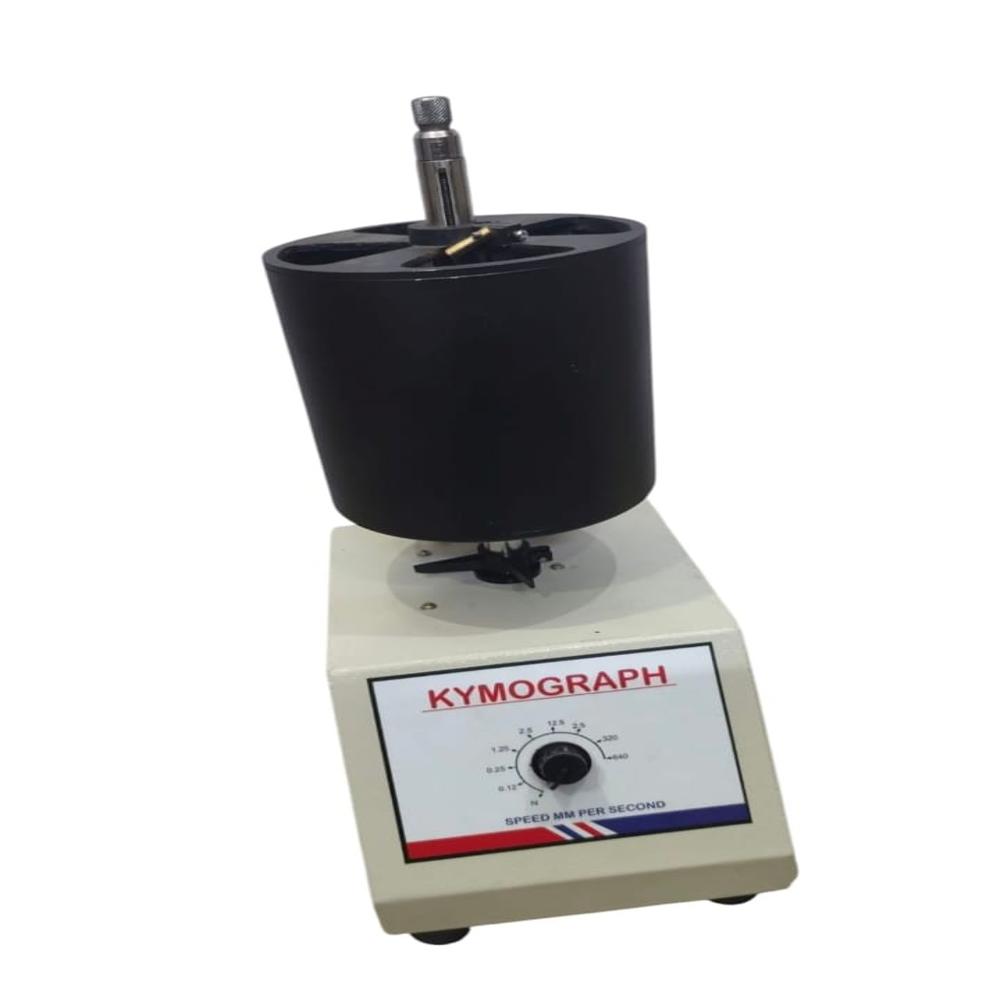
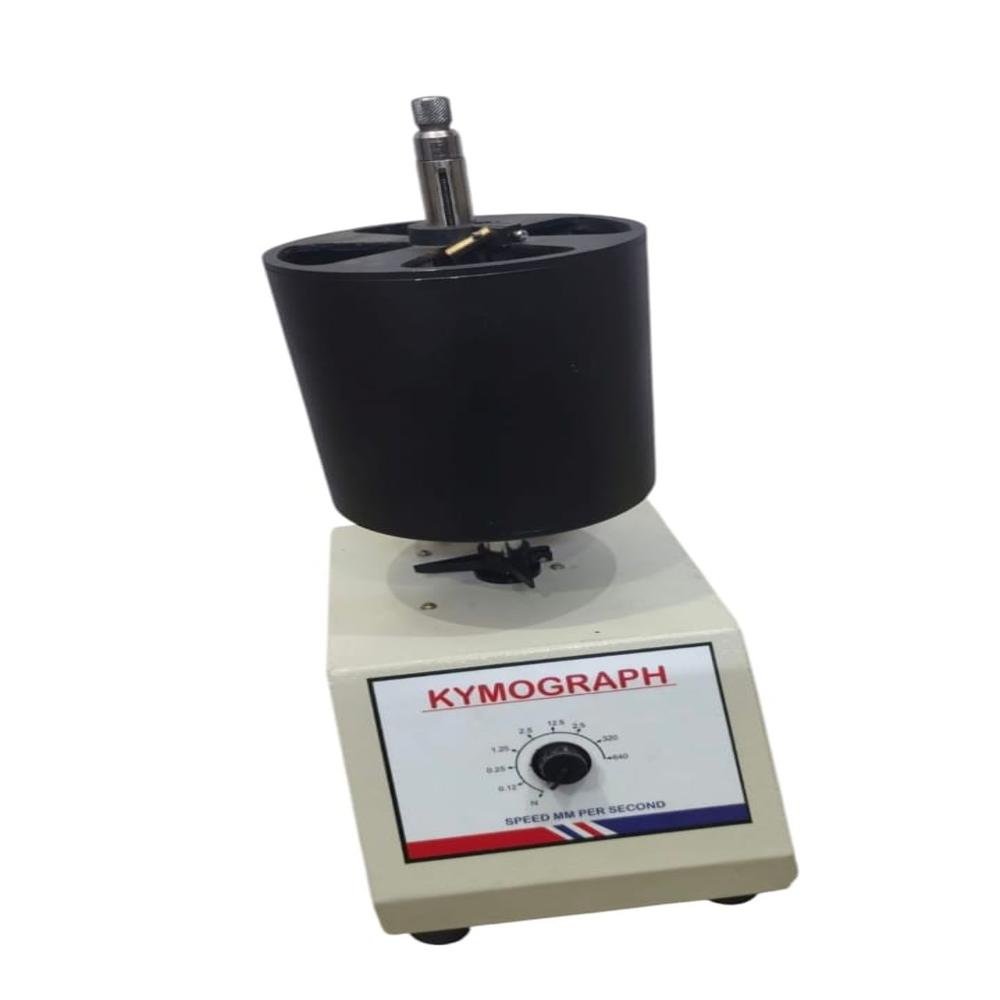
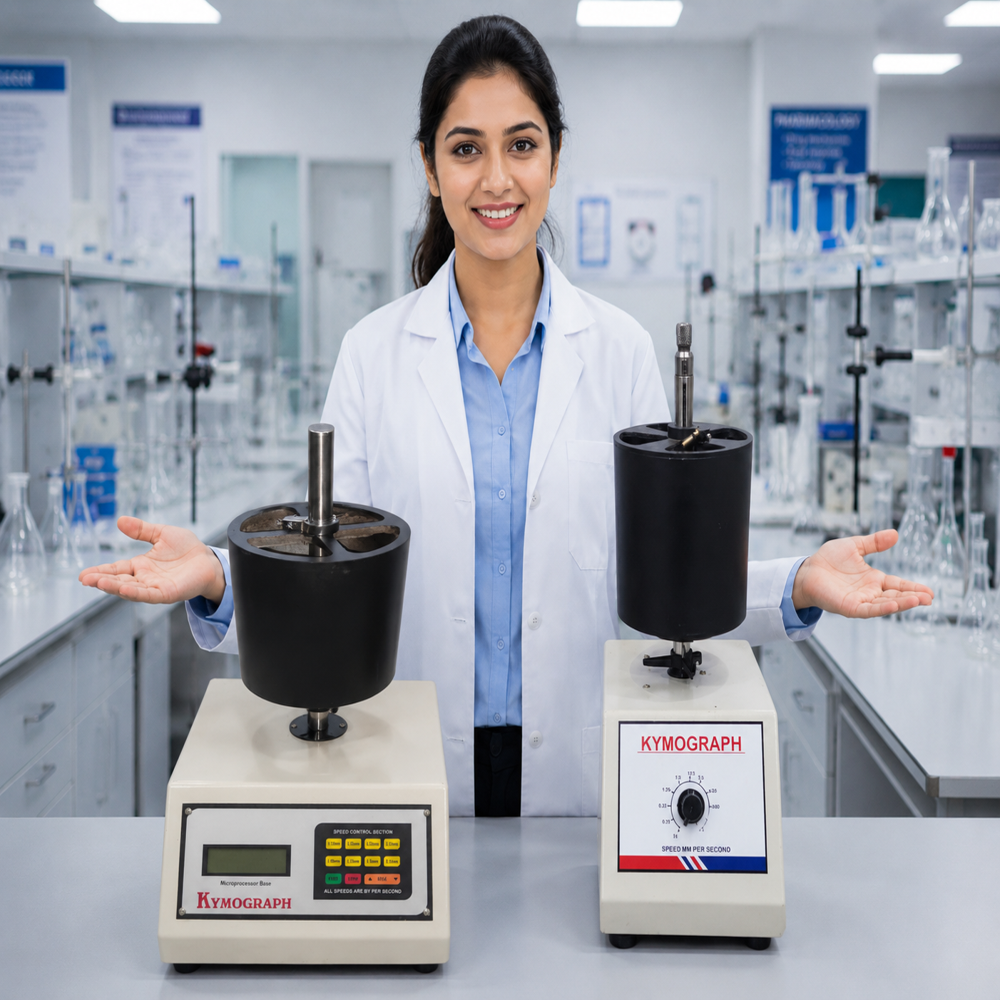
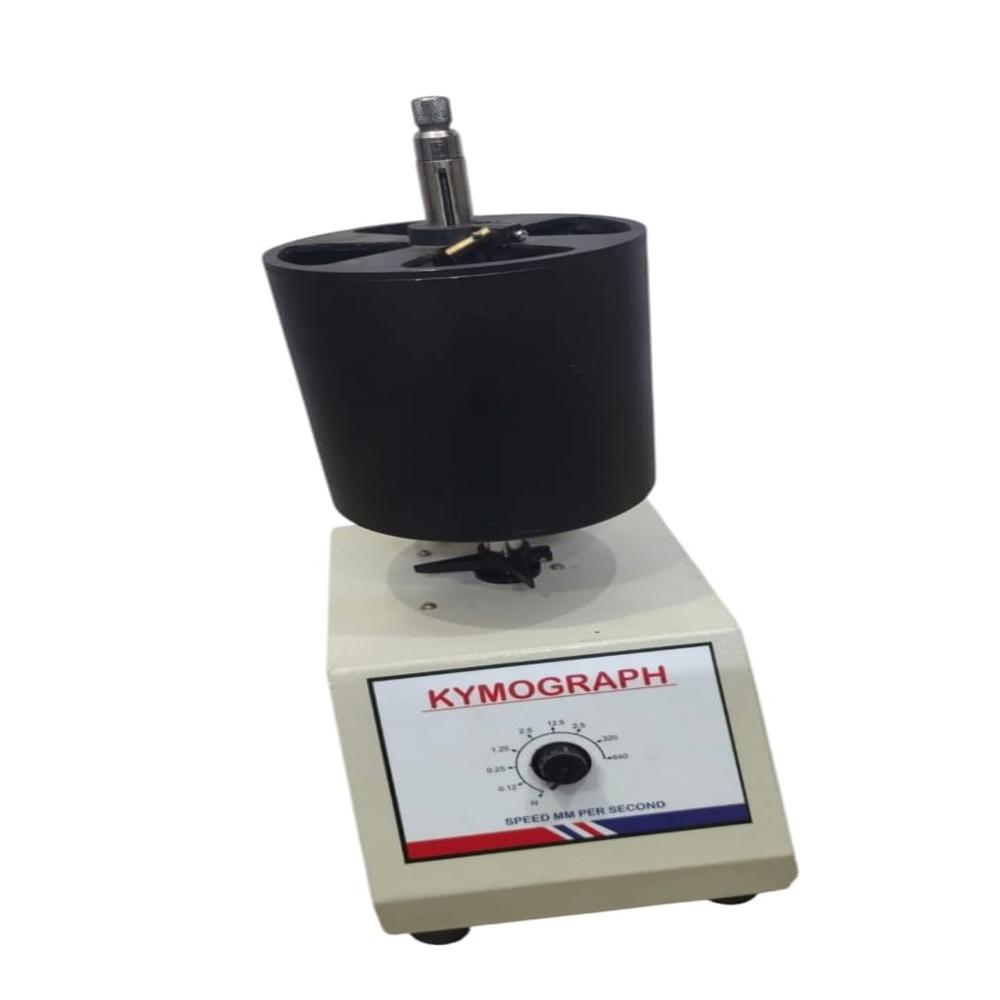
kymograph having user friendly, gear free, maintenance free operated and controlled on low voltage by microcontroller, user can change base line and drug contact time as their requirement or desired experimental, no needed to stop rotating drum (aluminium metal) manually it will stop automatically after finished the baseline here user can change , fill ringer solution and just press continue key, rotating drum will continue in mention manner same procedure will continue after drug contact time after giving , injecting drug during experiment in pharmacy colleges, medical colleges, and research institutes.m.s powder roted body .Versatility in Laboratory Applications
The Sherrington Rotating Drum is designed for a range of physiological and biology experiments, such as muscle contraction recordings and frog heart studies. Its manual operation ensures reliability in diverse educational and research settings, making it suitable for use in physiology labs, medical colleges, pharmacy schools, and biology laboratories.
Durable Build for Long-lasting Use
With a strong mild steel construction and a weight of just 5 kilograms, this rotating drum combines robustness with portability. Its design ensures extended durability, making it a dependable choice for frequent laboratory use.
FAQ's of Sherrington Rotating Drum:
Q: How does the Sherrington Rotating Drum facilitate the recording of muscle contractions?
A: The drum provides a rotating surface to which muscle specimens can be attached. As the muscle contracts, its movement is recorded manually on paper or a kymograph sheet affixed to the drum, allowing precise visualization and study of contraction patterns.Q: What is the process of using the Sherrington Rotating Drum in frog heart or physiological experiments?
A: To use the drum, the specimen is attached to the recording lever connected to the drum. The drum is then rotated manually, while physiological changes, such as contractions, are marked on paper. This method is especially suitable for frog heart and other muscle experiments.Q: Where is the Sherrington Rotating Drum commonly used?
A: This equipment is widely used in physiology laboratories, medical colleges, pharmacy colleges, and biology labs, supporting a variety of educational and research experiments involving physiological responses.Q: When should one opt for a manually operated rotating drum over an electronic version?
A: A manual rotating drum is ideal for settings where hands-on learning, precise control, and demonstration of mechanical principles are prioritized. It is preferred when electricity supply may be inconsistent or when direct control over speed and timing is necessary.Q: What are the main benefits of using the Sherrington Rotating Drum in laboratory settings?
A: The main benefits include hands-on manipulation, ease of use, affordable maintenance, and reliability for educational demonstrations. Its manual operation also fosters a deeper understanding of physiological recording techniques among students and researchers.Tell us about your requirement

Price:
Quantity
Select Unit
- 50
- 100
- 200
- 250
- 500
- 1000+
Additional detail
Mobile number
Email

Other Products in 'Hospital Laboratory Equipment' category

Address
MAYALAB INSTRUMENT
GST : 06EKTPK9532G1ZM
GST : 06EKTPK9532G1ZM
- House No - 108, Milap Nagar, Vill Nanhera Post Office, Kuldeep Nagar,Ambala Cantt - 133004, Haryana, India
- Phone :08045814792
- Send Inquiry
 Send Inquiry
 Send Inquiry
 Send SMS
 Call Me Free
 |
MAYALAB INSTRUMENT
All Rights Reserved.(Terms of Use) Developed and Managed by Infocom Network Private Limited. |
